Signs of Cocaine Addiction: What to Look For and What to Do

family member noticing signs of cocaine addiction in a loved one

Signs of Cocaine Addiction: What to Look For and What to Do

If you’re reading this, something has likely already caught your attention: a change in mood, a missing chunk of the paycheck, or a nosebleed that doesn’t quite add up.

The clearest signs of cocaine addiction typically fall into two categories: physical (dilated pupils, weight loss, a runny or bloody nose, erratic sleep) and behavioral (secrecy, unexplained financial strain, mood swings, withdrawing from people who used to matter). No single sign confirms anything on its own. But when several show up together, those patterns are worth paying attention to.

This guide walks through what these cocaine use signs actually look like day-to-day, why cocaine carries risks it didn’t a decade ago, and what tends to help when bringing up the subject with someone you care about.

Call 866-818-4684

family member noticing signs of cocaine addiction in a loved one

What Are the First Signs of Cocaine Addiction?

The earliest signs of cocaine addiction are usually behavioral before they become physical. A person becomes harder to reach, more defensive about their time, and less predictable in mood. Family and friends often notice the pattern before they can name it: someone seems “off,” disappears for stretches, or cycles between unusually high energy and flat exhaustion.

As use continues, how to tell if someone is using cocaine comes down to watching for a cluster of changes, not just one:

  • Dilated pupils, frequent sniffling, or nosebleeds
  • Bursts of energy, talkativeness, or confidence followed by a crash
  • Skipping meals and noticeable weight loss over weeks or months
  • Borrowing money, missing bills, or unexplained cash shortages
  • Canceling plans, becoming secretive about a phone or whereabouts
  • Irritability or defensiveness when questions come up

None of these behaviors prove cocaine use by itself. Stress, other health conditions, and other substances can look similar. But a cluster of these signs persisting over weeks is what tends to distinguish substance use from a temporary illness or rough patch. Let’s explore these signs further.

Physical Signs

Cocaine is a stimulant, and the body shows it. The most visible cocaine addiction symptoms include:

  • Nose and sinus issues — chronic congestion, sniffling with no cold in sight, nosebleeds, or a whistling sound when breathing through the nose over time, since snorting is still the most common route of use
  • A persistent cough — common in people smoking crack cocaine instead of snorting it
  • Erratic energy cycles — a fast, intense high followed by a crash, leaving a person unusually alert or talkative for a few hours, then asleep for long stretches or unreachable the next day
  • Appetite loss and weight change — appetite often drops during this cycle, leading to noticeable, unexplained weight loss over time
  • Disrupted sleep — dark circles or a sunken, tired look
  • Dilated pupils — pupils that don’t react normally to light
  • Decline in hygiene or appearance — a level of self-care that seems out of character for the person

How long does cocaine stay in your system?

Cocaine itself typically clears the bloodstream within a day, but its metabolite, benzoylecgonine, can be detected in urine for two to four days after use, and longer with heavy or frequent use. Detection windows for cocaine vary by test type and individual metabolism, so this is only a general guide.

Behavioral Signs

Behavioral shifts often show up before, and last longer than, the physical ones. The most telling patterns include:

  • Secrecy — becoming protective of their phone, vague about where they’ve been, or irritated by simple questions about their schedule
  • Financial strain — missed bills, unexplained withdrawals, or requests to borrow money that don’t match up with a person’s typical spending, since cocaine use is expensive to sustain
  • Mood swings — flashes of irritability, defensiveness, or unusual confidence that often follow the same up-and-down pattern as the drug’s physical effects

Can someone be addicted to cocaine and still function at work?

Yes. Many people with a cocaine use disorder continue working, meeting deadlines, and appearing “fine” to colleagues for a long time before problems become visible externally.

High-functioning use is common in the earlier and middle stages, especially in high-pressure jobs where stimulant effects can temporarily look like productivity. Yet over time, performance often becomes inconsistent. There may be strong days followed by missed meetings, uncharacteristic mistakes, or unexplained absences.

Socially, people may pull away from long-standing friendships in favor of a new group tied to using, or become unusually private about evenings and weekends. Taken together, the secrecy, financial strain, and mood swings may prompt a coworker, friend, or family member to start asking questions.
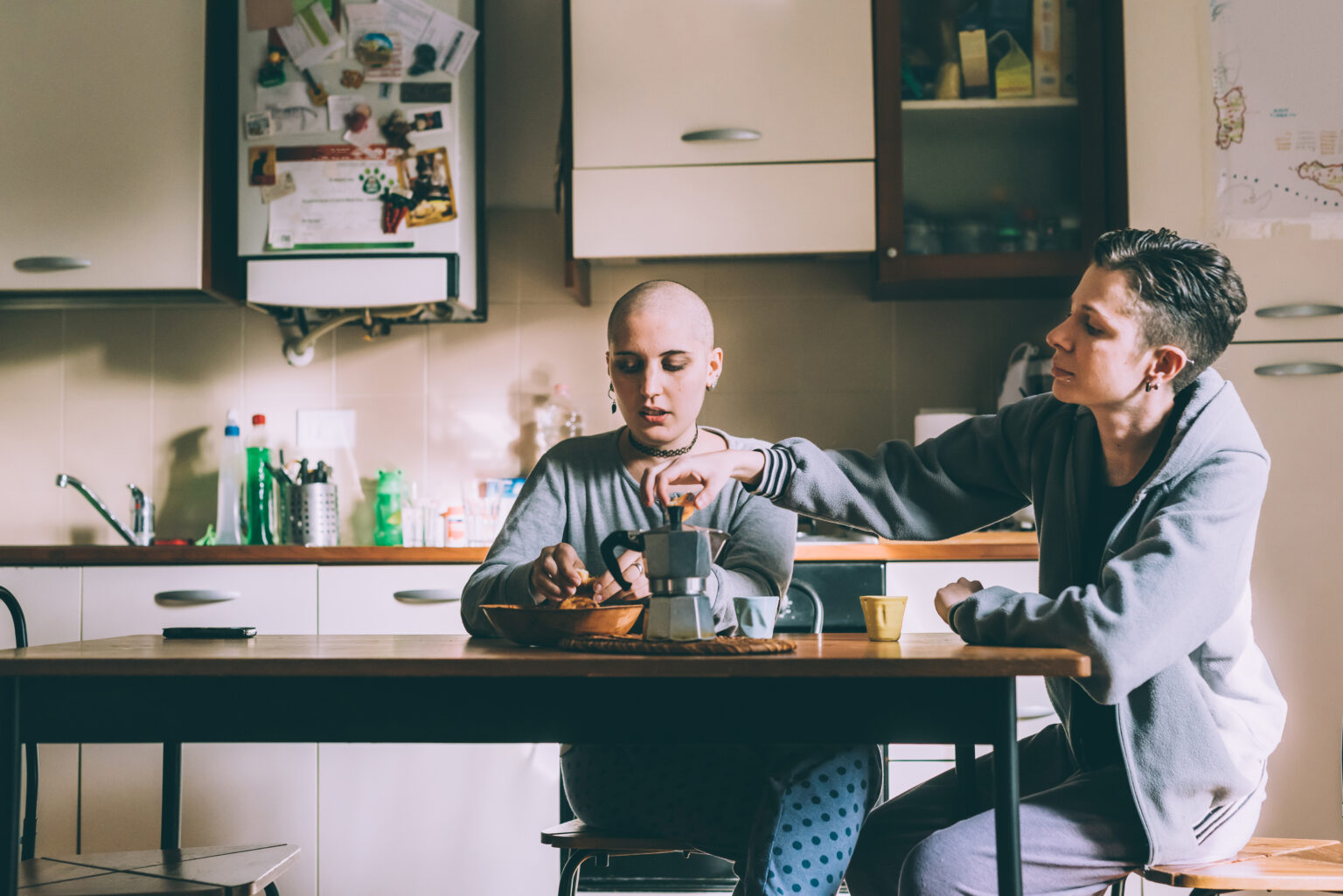
talking with a loved one about the signs of cocaine addiction

Why Today’s Cocaine Is More Dangerous: Fentanyl

One thing has changed significantly since the last time cocaine was widely discussed in the media: fentanyl contamination.

Illicit fentanyl, a synthetic opioid many times more potent than heroin, has increasingly turned up in cocaine that was never sold or intended as an opioid product. That means someone can be exposed to fentanyl without knowingly using an opioid at all.

The rise in illicitly manufactured fentanyl has been identified as a main driver behind the continued rise in cocaine-involved overdose deaths, according to the National Institute on Drug Abuse.

The scale of this shift shows up clearly in federal data. The U.S. Centers for Disease Control and Prevention reports that nearly 30,000 overdose deaths in 2023 involved cocaine, accounting for around 28% of all overdose deaths that year. Across dozens of states and Washington, DC, 47% of drug overdose deaths that same year involved opioids and stimulants together.

Why Naloxone isn’t enough

What makes this especially dangerous is that naloxone (Narcan), the medication that reverses opioid overdoses, only addresses the fentanyl component. It does nothing for the stimulant effects of cocaine itself, which puts significant strain on the heart.

This is part of why medical professionals increasingly treat any cocaine use as a potential opioid exposure, regardless of what the person believed they were using. If you ever suspect an overdose — slowed or stopped breathing, blue lips, unresponsiveness — call 911 immediately.

What NOT to Do When You Suspect It

The instinct to act fast is understandable, but a few common reactions tend to backfire and can push someone further away rather than closer to help.

  • Avoid ultimatums delivered in anger. Statements like “stop, or I’m leaving” made in the heat of a difficult moment are rarely followed through consistently, and inconsistency teaches a person that the threat isn’t real.
  • Resist the urge to search someone’s phone, room, or belongings before talking with them. Even when the discovery confirms a suspicion, it tends to shift the first real conversation into one about privacy and trust rather than the substance use itself.
  • Don’t confront someone while they’re using or immediately after. Judgment and communication are both impaired in that window, and conversations held then are rarely the ones that stick.
  • Don’t take on the role of investigator or enforcer for an extended period. Constant monitoring is exhausting for both people involved and rarely changes the underlying pattern on its own. It’s a role better shared with a treatment professional than carried alone.

None of this means staying silent. It just means choosing the right moment. A calm, private conversation, held when everyone’s grounded, tends to do far more than any of the reactions above.

How to Bring It Up

When you’re ready to talk, timing and tone matter more than the exact words. Choose a private, calm moment — not during or right after use, not in front of other people. Lead with what you’ve observed rather than a conclusion: “I’ve noticed you’ve seemed really on edge lately, and I’m worried about you” tends to land better than “I know you’re using cocaine.”

This approach lines up with what’s known as CRAFT-style communication: staying curious instead of accusatory, expressing concern rather than delivering an ultimatum, and reinforcing that you’re on their team, not opposed to them. It won’t guarantee a particular response, but it keeps the door open for another conversation if this one doesn’t go anywhere.

What Treatment Can Look Like for Cocaine Use Disorder

If someone is ready for support, treatment can take a range of forms depending on how cocaine use is affecting their life. For people who are still working or managing family responsibilities, structured outpatient options like an intensive outpatient program (IOP) or partial hospitalization program (PHP) allow treatment during the day or evening while maintaining day-to-day life. For others, a more immersive level of care may be a better fit, at least to start.

For people experiencing more severe withdrawal or safety concerns, medically supervised detox often comes first, followed by residential or inpatient care where clinical support is available around the clock. From there, many people step down gradually through PHP, IOP, and sober living, with aftercare planning built in to support the transition back to daily life.

Does insurance cover cocaine addiction treatment?

Many insurance plans do cover substance use treatment, since the Mental Health Parity and Addiction Equity Act generally requires that mental health and substance use benefits be covered comparably to medical and surgical care.

Exact coverage — including which levels of care, providers, and lengths of stay are included — varies significantly by plan, so it’s worth verifying benefits directly with your insurer or with the admissions team at Inneractions.

Worried about someone’s cocaine use — or your own? Our admissions team can answer your questions confidentially, verify your insurance, and help you find the right level of care, from IOP to more structured support.

Call 866-818-4684

Frequently Asked Questions

What are 5 warning signs of addiction?

Five of the most consistent warning signs across substances: escalating secrecy about time and whereabouts, unexplained financial strain, mood or energy swings that follow a use-and-crash cycle, withdrawal from long-standing relationships and activities, and continued use despite mounting consequences at work or home. With cocaine, add the physical tells — dilated pupils, nose and sinus issues, and appetite loss.

What are the 7 signs of addiction?

Clinicians look for a cluster like this: needing more for the same effect (tolerance), using more or longer than intended, failed attempts to cut back, spending significant time obtaining or recovering from use, craving, neglecting responsibilities, and continuing despite harm. Meeting several of these within a year is how professionals distinguish a substance use disorder from casual use.

Can you recover from cocaine addiction without inpatient rehab?

Many people do. For those still working and managing family life, structured outpatient care — IOP or PHP — provides real treatment (individual therapy, group work, drug screening, relapse-prevention skills) without stepping away from daily life. The right level depends on use severity, home environment, and any co-occurring conditions, which an admissions assessment sorts out.

What should I do first if I recognize these signs in someone?

Don’t confront in the heat of the moment. Pick a calm, private time, describe specific things you’ve noticed without accusing, and listen. Then get support for yourself — a treatment program’s admissions line can coach you on the conversation, even before your loved one is willing to call.

Virtual IOP vs In-Person Treatment: Which Is Right for You?

Virtual IOP therapy session on a laptop at home — comparing virtual and in-person treatment.

Virtual IOP vs In-Person Treatment: Which Is Right for You?

If you’re weighing virtual IOP against in-person treatment, you’re already past the hardest part — deciding to get help. The next decision is about fit: which format works with your life, your schedule, and what you actually need clinically.

In this article, we break down what virtual and in-person IOP actually look like, what the research says about outcomes, and how to figure out which option makes sense for where you are right now.

Call 866-818-4684

What Is Virtual IOP?

It’s not always possible to step away from work, family, or daily obligations to attend outpatient addiction treatment in person. Virtual intensive outpatient treatment was developed to remove these barriers, without reducing the clinical quality of care.

A virtual intensive outpatient program is a structured, clinician-led program delivered using secure, HIPAA-compliant telehealth accessed from home or wherever you have a private space and a reliable internet connection. Accessibility, convenience, and flexibility are among the key benefits of virtual IOP.

How many hours a week is virtual IOP?

Virtual IOP typically runs nine to fifteen hours per week, spread across three to five days. A standard schedule might include a two- to three-hour morning or evening session. This structure is designed to accommodate work, family, and other daily responsibilities.

The clinical content mirrors what you would receive in an in-person program: therapy groups, individual sessions, and a curriculum focused on the skills and insight that support lasting recovery.

The telehealth platform is critical to success. A well-run virtual IOP is not a series of passive video calls. It is an active clinical environment with real group dynamics, scheduled check-ins, and clinical oversight. It requires the same accountability framework as in-person treatment, just delivered differently.

Woman attending a virtual IOP group session from home in California

What Is In-Person IOP?

In-person IOP follows the same general structure: nine to fifteen hours of programming per week, although you physically attend at a treatment facility. Sessions happen in a dedicated clinical space with your treatment team and peer group present in the room.

Some people find that the physical environment is part of what makes in-person treatment work. Commuting to a facility creates a clear separation between treatment time and everyday life. Sitting in a room with other people in recovery builds a kind of connection that some find harder to replicate on a screen.

What is the difference between IOP and PHP?

IOP typically involves nine to fifteen hours of programming per week and allows you to live at home throughout treatment. A partial hospitalization program (PHP) runs five to six hours per day, five days a week, and is generally recommended for people who need more support than IOP provides but do not require residential care.

The biggest difference between PHP and IOP is clinical intensity, and the right choice comes down to where you are in recovery. PHP provides more intensive daily support, while IOP is built for people who are more stable and ready for a lighter structure.

Virtual IOP vs In-Person: Key Differences

Neither format is better. The right fit depends on your circumstances, your clinical needs, and what kind of environment helps you do your best work in treatment.

Virtual IOP vs In-Person IOP: Side-by-Side Comparison

 Virtual IOPIn-Person IOP
Schedule FlexibilityMorning, afternoon, and evening options fit around work, family, and daily obligations.Session times may be more limited, depending on the facility’s schedule.
Commute & GeographyNo commute required: accessible from anywhere in California or Oklahoma with an internet connection.Requires travel to a treatment facility; may be a barrier for those in rural areas or without transportation.
Peer ConnectionReal-time group sessions with a peer cohort; connection is genuine, though screen-based.Face-to-face peer interaction in a shared physical space; some find this more grounding in early recovery.
Home EnvironmentRequires a private, stable home setting for sessions. Not recommended if the home environment is chaotic or unsupportive.Provides a clear separation from home; attending a facility creates structure and accountability outside the home.
Technology RequirementsDevice with camera, reliable internet, and a private space required. May be a barrier for some.No technology required beyond a phone to confirm attendance. Accessibility depends on location and transportation.
Insurance CoverageMost PPO plans and Medi-Cal cover virtual IOP. Coverage has expanded significantly since 2020. Verify with admissions.Most PPO plans and Medi-Cal cover in-person IOP. Coverage varies by plan. Verify directly with admissions.

Coverage and program details vary. Contact the Inneractions admissions team to verify insurance benefits before starting.

In-person IOP group therapy session at an intensive outpatient treatment facility

Is Virtual IOP Effective Compared to In-Person Treatment?

If effectiveness is your main concern, the research is reassuring — with one important qualifier. For appropriate candidates, virtual IOP produces outcomes comparable to in-person treatment.

A 2022 study followed 3,642 patients across in-person, hybrid, and virtual IOP programs and found no significant differences in abstinence rates, quality of life, or psychological well-being by delivery format.

A review published in the NIH’s National Library of Medicine found strong evidence supporting the feasibility and effectiveness of technology-based treatment for substance use disorders, particularly when it preserves the core components of evidence-based care: structured sessions, clinician oversight, and consistent peer engagement.

SAMHSA’s evidence-based resource guide on telehealth for substance use disorders reinforces this, noting that telehealth services can potentially improve health outcomes and reduce the hurdles that keep people from accessing care in the first place.

However, research does not confirm that virtual IOP is appropriate for everyone. The key phrase is appropriate candidates. People in acute crisis, those with significant co-occurring psychiatric conditions requiring close monitoring, or those without a safe and private home environment, are likely better served by in-person or higher-level care.

Who Is Virtual IOP Right For?

Virtual IOP for substance abuse tends to work best for people who are in a stable place in their lives, not necessarily recovered, but not in acute crisis either.

It’s a strong fit for those who have completed a higher level of care, like residential treatment or PHP, and are ready to step down while maintaining structure. It also works well for people entering treatment for the first time whose clinical needs don’t require round-the-clock supervision.

If you’re managing work, caregiving responsibilities, or live in a rural area where commuting to a facility isn’t practical, virtual IOP was built with you in mind.
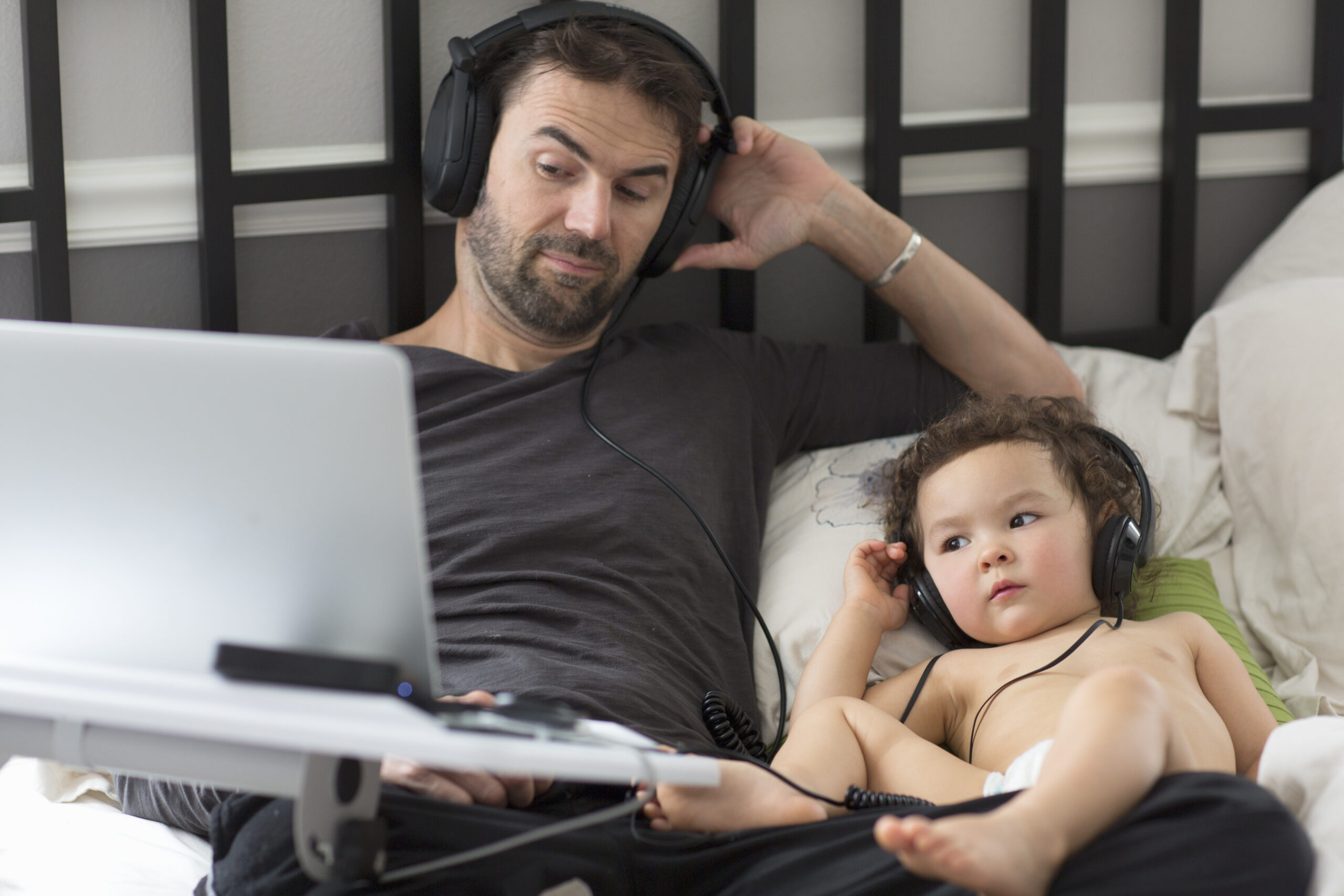
Working parent joining a virtual intensive outpatient program session around daily responsibilities

What are the requirements for virtual IOP?

The practical requirements for virtual IOP are:

  • a private space
  • a stable internet connection
  • a device with audio and video capability

An admissions assessment helps determine whether virtual IOP is the right fit or whether a different level of care would better serve your recovery.

Can I work while doing virtual IOP?

Yes. Flexible scheduling is one of the primary reasons people choose virtual IOP. Morning and evening session options make it possible to maintain employment while completing a full nine-to-fifteen-hour weekly program.

Many people find that being able to stay in their job, maintain their routine, and apply what they are learning in treatment to their daily life in real time actually strengthens the treatment experience. It also removes one of the most common reasons people delay getting help: the belief that treatment requires stepping away from everything.

Virtual IOP is also a strong option for parents with caregiving responsibilities, people in remote communities, and anyone for whom commuting to a facility creates a meaningful barrier to getting started.

Who Should Choose In-Person IOP?

In-person IOP is often the better fit for people who benefit from external structure, where the act of showing up somewhere, physically and on schedule, creates a layer of accountability that is hard to replicate from home.

It is also more appropriate for people whose home environment is not conducive to treatment, whether because of instability, lack of privacy, or the presence of people or situations that make staying focused on recovery difficult.

If the environment that contributed to problematic patterns is also the environment where you would be attending virtual sessions, in-person treatment offers an important and often necessary separation.

People who strongly value face-to-face connection, who find video-based group dynamics harder to engage with, or who are earlier in recovery and benefit from a higher level of accountability often do better with in-person programming.

If you or someone you love is experiencing thoughts of self-harm or hopelessness, support is available. Call or text 988 to reach the Suicide and Crisis Lifeline, 24 hours a day.

Virtual IOP at Inneractions — California and Oklahoma

Inneractions, with locations in California and Oklahoma, delivers virtual and in-person intensive outpatient treatment. The virtual IOP program runs on a HIPAA-compliant telehealth platform with morning and evening scheduling options designed to accommodate work and family commitments.

The program treats both substance use disorders and co-occurring anxiety, depression, and other mental health conditions, a combination known as dual diagnosis. Inneractions’ integrated model addresses both within the same treatment plan, rather than treating one and leaving the other unaddressed.

For those in the Los Angeles area who prefer in-person treatment, Inneractions also offers programming at its Encino location. Most major PPO insurance plans are accepted for both virtual and in-person formats. Our admissions team can verify your specific benefits before you commit to anything.

Inneractions clinician leading a HIPAA-compliant virtual IOP session for clients in California and Oklahoma

Wondering whether your insurance covers virtual IOP? Let the Inneractions admissions team verify your benefits — confidential, free, and with no obligation to move forward.

Call 866-818-4684

Getting Started

Starting is more straightforward than you might expect. An initial admissions call takes about twenty to thirty minutes — it’s a conversation, not a commitment. From there, we handle insurance verification, clinical assessment, and scheduling.

Does insurance cover virtual IOP in California?

Most major PPO insurance plans cover online IOP in California, and Medi-Cal covers telehealth-delivered substance use disorder treatment for eligible members.

Coverage for virtual IOP has expanded significantly since 2020, and many plans now cover telehealth at the same level as in-person treatment. The most reliable way to confirm your benefits is to contact the Inneractions admissions team. Insurance verification is part of the intake process and costs nothing.

Is virtual IOP covered by Medicare?

Medicare covers virtual IOP for mental health and substance use disorder services for eligible beneficiaries. Coverage terms and prior authorization requirements vary by plan, so verifying your specific virtual IOP Medicare benefits with the admissions team before starting is the right step.

Ready to take the next step toward virtual or in-person IOP in California or Oklahoma? Our admissions team is here to answer your questions, verify your insurance, and help you find the right fit.

Call 866-818-4684


Frequently Asked Questions

Is virtual IOP worth it?

For the right person, yes. Research comparing virtual and in-person IOP has found comparable outcomes in abstinence, quality of life, and psychological well-being, so you are not sacrificing clinical quality by choosing the online format. Virtual IOP is worth it when you have a private, stable space for sessions and a schedule that benefits from the flexibility. If your home environment is chaotic or you need more external accountability, in-person treatment may serve you better.

What is the success rate of IOP?

There is no single success rate, because outcomes depend on the person, the program, and how well the level of care matches clinical needs. Peer-reviewed research has found that more than two-thirds of IOP patients report continuous abstinence at follow-up, with virtual and in-person formats performing comparably. Outcomes tend to improve when treatment is completed in full, when co-occurring mental health conditions are addressed, and when aftercare continues beyond discharge.

What are the downsides of virtual therapy?

The main downsides of virtual therapy are the need for a private space and reliable technology, the potential for distraction at home, and the loss of physical separation between treatment and everyday life. Some people also find screen-based group dynamics harder to engage with. For people in acute crisis or without a safe home environment, virtual care is not appropriate, and an in-person or higher level of care is the safer choice.

What does IOP stand for in substance abuse?

IOP stands for intensive outpatient program. In substance abuse treatment, an IOP provides structured, clinician-led care — typically nine to fifteen hours per week of group therapy, individual sessions, and skills work — while you continue living at home. It sits between standard outpatient care and a partial hospitalization program in intensity, and it can be delivered in person at a facility or virtually through secure telehealth.

How can you quit drugs without going to rehab?

Quitting without residential rehab is possible for some people, but quitting without professional support is risky — withdrawal from alcohol, benzodiazepines, and opioids can be dangerous and sometimes requires medical supervision. Outpatient options like IOP provide evidence-based treatment while you continue living at home, which is often what people mean when they say they want to avoid “rehab.” A clinical assessment can determine whether outpatient care is a safe and realistic starting point for you.

IOP vs PHP: How to Choose the Right Level of Care

Checklist: 5 Questions to Ask Before Choosing an IOP or PHP Program – Inneractions IOP

IOP vs PHP: How to Choose the Right Level of Care

PHP and IOP are the two levels of structured treatment between residential care and weekly therapy — and choosing between them comes down to one honest question: how much support does this season of your life actually require? A partial hospitalization program (PHP) is the more intensive option: typically 5–6 hours a day, five days a week. An intensive outpatient program (IOP) runs around 3 hours a day, three to five days a week, leaving room for work, school, or family.

Both are real treatment — individual therapy, group work, psychiatric support — and both let you sleep at home. Here’s how to tell which one fits, what a week in each actually looks like, and the questions that separate a good program from a schedule with a brochure.

Call 866-818-4684

PHP vs IOP: The Short Answer

PHP is the higher level of care: more hours, more clinical contact, more structure — designed for people whose symptoms or early recovery need most of the day held. IOP is the step down: substantial support that coexists with a job and a family. Neither is “better.” The right one is the one matched to your acuity right now — and that’s a clinical assessment, not a guess.

What a Week in PHP Looks Like

Expect treatment to function like a job: roughly 25–30 hours a week of individual therapy, multiple daily groups, psychiatric care and medication management, and skill-building — then home in the evening to practice all of it in real life. PHP fits people stepping down from residential or detox, those whose symptoms are too loud for a few hours a week to touch, and anyone whose home life is stable enough to sleep in but whose days need structure to stay safe and sober.

What a Week in IOP Looks Like

IOP typically runs 9–15 hours a week — morning or evening blocks of group therapy, weekly individual sessions, and psychiatric support as needed — engineered so treatment fits around work, school, or parenting rather than replacing them. It fits people stepping down from PHP, high-functioning people whose lives haven’t collapsed but whose drinking, use, or mental health is heading the wrong direction, and anyone leaving residential care who needs a bridge back to full-speed life. Virtual IOP extends the same structure to people who can’t reach an office — our virtual vs. in-person IOP guide covers that choice in depth.

Which Comes First? How Levels of Care Flow

Treatment levels work like a staircase: detox (if needed) → residential → PHP → IOP → outpatient therapy and alumni support. PHP comes before IOP when both are used — but nobody is required to take every stair. Plenty of people enter directly at PHP or IOP based on where a clinical assessment places them, and the step-down design is the point: support decreases as stability increases, so the exit ramp back to normal life is gradual instead of a cliff.

How to Choose: Five Honest Questions

  • Can I currently get through an unstructured day without using or unraveling? If no — PHP. If mostly yes — IOP may hold.
  • Did I just leave detox or residential? Stepping down too fast is the classic relapse setup; PHP is the safer landing.
  • Is work/family presence non-negotiable right now? IOP was built for exactly this — and a job can anchor recovery when the support around it is real.
  • Are my mental health symptoms treated, or just enduring? Active depression, anxiety, or trauma alongside substance use points to more hours, not fewer, and true dual-diagnosis care.
  • What does an honest clinician say? A real program assesses you into the right level — including telling you their level isn’t the right one.

Cost and Insurance

PHP costs more than IOP per week (more clinical hours) — but the comparison that matters is coverage. Most major PPO plans cover both levels when clinically indicated, because parity law requires substance-use and mental-health benefits comparable to medical care. Verification takes minutes and settles the question with numbers instead of dread: our admissions team checks benefits free, before any commitment.

Choosing a Program: Green Flags and Red Flags

Green flags: a real clinical assessment before placement, licensed clinicians and a medical director you can name, individualized treatment plans, dual-diagnosis capability, family involvement, and a defined step-down path. Red flags: guaranteed outcomes, identical schedules for every client, vague answers about who provides care, pressure to commit today, and programs that never mention what happens after discharge. The difference is visible within one phone call — a good program interviews you as carefully as you interview them.

PHP-Level Support and IOP at Inneractions

Inneractions provides IOP and structured outpatient care in Encino, CA and Edmond, OK — plus virtual IOP across both states — with individual therapy, group work, dual-diagnosis treatment, and psychiatric support under Medical Director Dr. Siri Khalsa. If assessment says you need PHP-level care first, our network places you there and brings you back to us for the step down. One conversation sorts the level, the schedule, and the insurance.

Not sure whether PHP or IOP fits your life right now? That question is exactly what our admissions assessment answers — honestly, confidentially, with a free insurance check.

Call 866-818-4684

Frequently Asked Questions

What comes first, PHP or IOP?

PHP comes first when both are used — it’s the higher level of care, typically 5–6 hours daily versus IOP’s ~3. The standard flow steps down: residential → PHP → IOP → outpatient. But entry point is set by clinical assessment, and many people appropriately start directly at either level.

Is IOP cheaper than PHP?

Per week, yes — IOP involves fewer clinical hours, so its cost runs meaningfully lower. But out-of-pocket reality depends on insurance: most major PPO plans cover both levels when clinically indicated under parity law, so a free benefits check usually matters more than the sticker difference.

Is PHP higher than IOP?

Yes. PHP (partial hospitalization) is the more intensive level — near-daily, most-of-the-day treatment — sitting between residential care and IOP on the continuum. IOP provides substantial structure (9–15 hours weekly) while leaving room for work and family.

Does insurance cover PHP and IOP?

Most commercial plans cover both when medically necessary — federal parity law requires substance-use and mental-health benefits comparable to medical coverage. Specifics (networks, session counts, prior authorization) vary by plan; verifying benefits directly with a program’s admissions team is free and takes minutes.

Addiction Doesn’t Mean You’re Broken w/ TJ Woodward

What Is Codependency in a Relationship With an Addict?

GOT Mental Health Podcast Episode #3

Hello everyone, and welcome to the GOT Mental Health podcast. I am your co-host Rachel Cove. I’m the owner of Transformational Solutions, a life coaching business that specializes in addiction, trauma and self-destructive behaviors. I’m an author, podcast host, group facilitator, speaker and co-creator of the online eight-week self-development course Divisions program.

I’m your co-host Arthur Mogalevsky, a business entrepreneur, dad, animal activist and owner of AM Healthcare, California’s leading dual diagnosis and mental health treatment centers focusing on comprehensive and immersive treatment experiences with a network of facilities and dedicated professionals committed to providing each and every client the intimacy of
care they so richly deserve.

This is the GOT Mental Health podcast – a fun, open and safe space where we talk to experts, thought leaders and professionals in the mental health field. Our goal is to educate, Inspire and empower people to take care of their mental, physical, emotional and spiritual well-being. Join us weekly to hear Arthur and I talk like this as we talk about all things mental health. Follow us wherever you go to get your podcasts and don’t forget to rate and review as it really supports our show. Thanks guys, and keep listening to Arthur!

RC : Hello everyone, and welcome back to the GOT mental health podcast I am your host Rachel Cove along with my co-host Arthur Mogalevsky. Today I am so excited to interview the wonderful TJ Woodward here. I’m going to give the most incredible opening to he is a revolutionary recovery expert, best-selling author, inspirational speaker and addiction treatment specialist who has helped countless people through his simple yet powerful teaching. He is the creator of the Conscious Recovery method which is a groundbreaking and effective approach to viewing and treating addiction. TJ is the author of the best-selling books Conscious Being: Awakening to your True Nature, Conscious Recovery: a Fresh Perspective on Addiction, and Conscious Creation: Five Steps to Embracing the Life of Your Dreams, as well as the co-author of their accompanying workbooks.

RC : Hello!

AM : I’m glad that you stopped by

TJ : Yeah, I’m delighted to be in this conversation wherever it’s going to take us

RC : Yeah, well, I feel like we just have to trust the flow I feel like that is gonna be the conversation is how do we trust the flow, but I’d like to start off by just wanting to know how you started off in this in this path of conscious recovery, and what does conscious recovery mean to you?

TJ : Well, I’m going to tell it this way – I won’t give you the long version, I’ll give you the medium version and it’s pretty straightforward. Around 18 months to two years sober I wanted to die and I was in traditional recovery circles and the narrative at that time was (that time I got sober in 1986 so this is probably 87 or 88): don’t worry about anything but not drinking you’re a miracle now go help someone and that had really served me well. It had given me a life that was really actually very happy until it wasn’t and I was so curious. That’s really not true – I was feeling really desperate and wanted to not be on the planet and did not really know a different way and I met a woman named Mary Anne who is my inspiration and it’s honestly it’s really anything that is conscious recovery is an extension of her work and she introduced me to a completely different way of living and the trajectory of my life changed dramatically from a belief that I was broken and that I needed to figure out how to fix myself, to this idea that maybe I came into the world whole and perfect, and started believing a lie about myself and separated from a true nature. So she really took me on a journey of rediscovering my true nature and also pretty much unlearning everything I’d ever picked up about myself in the world that needed to be unlearned.

AM : So pretty much taking back you back to your five-year-old self and four-year-old innocent self, because I look at like my you know our kids my daughter’s gonna be five and and it’s so pure and it’s so loving and it’s so honest and you’re so right!

RC : They’re so innocent and real and authentic. Can I tell your story really quickly? And this isn’t to boost my face but it was like if people want to compliment me if adults want to compliment me, I go “whatever” but if a child does it? I was sitting at a dinner the other night and a girl looked at me with her sweet little eyes and her sweet little face, and she goes, “You’re so pretty” and that is the authenticity that I think you’re speaking to where we can just speak from our heart. That child’s not worrying about their ego, they’re not worried about sounding right, they’re not worrying about sounding good, they’re just speaking from their heart.

TJ : It’s interesting because you know, I run in spiritual circles and in spiritual practice pretty much the intention is what a child is naturally. I want to be able to learn how to feel my feelings, I want to be present, I want to be authentic, I want to connect with you, but it’s actually innate. That really is who and what we are and most of us have forgotten that. I’m thinking about when my nephew was like three years old, he sat on my lap and he said, “Uncle TJ, you have horrible breath!” and it’s like that kind of honesty is innate but like of course he’s going to get taught that’s rude, you can’t say that, you shouldn’t…” So we have all this these layers of programming that honestly it’s like we’re these light beings and then all this stuff gets put on top and we become domesticated

AM : Oh my gosh, that’s so true so what you’re saying is I should hire children to run groups and individual sessions basically? Nice

TJ : Yeah, you’re promoting child labor! Actually if we can tap into our essence, our child self and bring that into the group which really is what conscious recovery is all about. It’s like, can I be completely present with what’s wanting to emerge here, rather than thinking from my mind I know what this is supposed to be.

AM : Obviously before we started this interview we are connected through circles of Facebook and social media and we work with a lot of very similar people. I want to know – in Conscious Recovery, if you have a client you work with what’s that process look like for you? How do you take somebody that’s tainted and dark? Break it down so that they can experience what you’re talking about and what you’ve experienced?

TJ : I’m going to actually back up a little. Conscious Recovery is a book and a workbook and it’s an online resource and it’s a curriculum. But when I go into a treatment program the training isn’t really even a training – it’s an experience. And it really isn’t about the client, it’s about the clinician. So many of us are trained to diagnose and treat, or maybe we come from circles where we think we are the ones that have the answers. I promise this is answering your question, because it all is about how I’m viewing that person I’m sitting in front of. So it’s much less about how do I get this person to go on the conscious recovery journey and it’s really more about how do I look for the wholeness in that person? How can we become curious together? Quantum mechanics is now showing us that the Observer has an effect so if I’m listening to you and nodding my head but in my mind I’m diagnosing you or I’m coming up with solutions for you, that’s in the energy field. So it’s a great Paradox because people are coming to treatment at perhaps the most difficult and painful time of their life. So on one hand I can say they have the answers within them but of course the paradoxes they also can’t do it alone. So what is my role as a clinician, as a counselor, as a tech, what is my role in being with a person when they’re in recovery? That’s the question for me.

RC : And that’s interesting because it is in being with them that is the answer and I find people have a very difficult time in just being. Why do you think that?

TJ : Well, I was going to ask you why you think that is, because I have lots of answers.

RC : I have a lot of theories for that. One of them being, I think most people are in a constant state of fight or flight, so when you’re in a constant state of fight or flight you are looking for danger and where do you look for danger? In the future. And when you’re living in a trauma response you’re also living from an experience of fear and pain from your past so the present becomes too painful to live in. So I can’t be in the presence because I’m too afraid of the present because that’s where I experience pain.

TJ : And so when you say that are you talking about the client? Are you talking about the counselor? Are you talking about both?

RC : Humans

TJ : And I completely agree because I think the work (we call it the work) for the clinician is very simply said, “I can’t allow” – and I’m using that word very consciously – “I
can’t allow my client to go any deeper than I’ve gone.” It’s literally not possible. So if I’m sitting with you and you start to share a traumatic experience and I have an unhealed wound that gets touched, which by the way will always happen because we’re human. If I haven’t done enough of my own healing I’m going to stop that process either consciously or unconsciously. So the work isn’t really about how we teach our clients or what we do with our clients. It’s really, “How do I be with me?” And that really is what you’re speaking to. So if I’m with you whether it’s a client or just in any human interaction and someone starts to share something in a very authentic way I can be present because I’ve done enough work that when that gets touched I’m not in fact flight or freeze. I can stay in presence and I think sometimes our field – the addiction treatment field – defaults to oh we don’t address trauma because we’re short-term.

AM : “We don’t want to open up the box…”

TJ : This will be a little controversial I hope it’s okay

RC : Totally okay,

AM : Zero filters

TJ : So a lot of times in our field we say, “I don’t want to open this person up because then what’s going to happen?” We’re afraid they’re gonna drink, they’re gonna commit suicide, they’re going to leave treatment, and I understand that and I’m not saying let’s try to pry and open up our clients. But if a person’s sitting in front of me and the space is created for them to start authentically sharing it’s not my job to shut that down either. I’m not going to try to get that in and re-experience the trauma but being present with what is present and helping someone identify what they’re experiencing, not the memory, not going back to the memory, but what’s happening now – internally, in their body, in the interaction.

RC : Do you find that most people have an intellectual understanding of recovery versus an
Experience?

TJ : Yeah, I think as a matter of fact, I think most of our field tends to be pretty intellectual. When I go to conferences, which I go to a lot. We’re going to be together in one, next week…

RC : I’ll be there in spirit or I might just come

TJ : We’re going to send the helicopter

AM : There’s a pool you know, and a karaoke machine, like there’s a pool party here, I’ll bring a machine, yeah we’re gonna have fun, it’s gonna be great…

TJ : There’s a lot of intellectual understanding or a grasping of the brain science, but clients – do they change because they understand brain science? Maybe it’s helpful but it’s not really how someone has a shift – that shift is really an inner experience.

AM : That kind of goes to like anything honestly – if you go to a conference and you have someone that puts on a PowerPoint presentation or you have somebody that doesn’t have any slides, doesn’t have anything, just a mic and they’re talking about their experience and their passion. You get so much more from that than you do from reading something on the wall. And so the same exact thing I think people are very intellectual about brain chemistry and what trauma is and the triggers and codependency and all these things but maybe they lack it from a personal experience and that passion. I’m a huge believer in energy – I think the energy that’s even transferring between the three of us now is great, and so when you’re a clinician or even a tech or a chef and you’re sitting with a client and you’re struggling and you’re going through your own difficult times, the client’s feeling that and you don’t have to say a word. It’s so important. I love that you do what you do.

TJ : What’s great about what you’re saying is there’s something that’s really fundamental here and I love that you just went there before I did. Really the way we communicate is through energy. I would say it’s about 80 to 90% of the way we communicate is not our body language, not our words. And so how I’m seeing you affects the way you’re able to see yourself. And so of course I know you two hear this – I don’t know what it is that I feel safe with you.

RC : People are usually scared of Arthur but they feel safe with me

TJ : Is that true?

AM : Not really actually

TJ : It’s because you are an authority figure

AM : They say that as a joke but then they always come to me. I find that people feel very comfortable in saying things to me that they normally would not say to other people. Anyways, I’m not trying to toot my own horn but I mean just to answer your question

TJ : And the thing is we can shoot our own horn because we want this message to be out there because who I’d be is so much more powerful than what I say and when I understand that, first of all our work can be much easier – I don’t have to fix someone because they’re not broken. I’m holding a space, we’re curious together and suddenly I feel energized. I used to facilitate four groups in one day plus do clinical supervision and one individual session. I mean it’s a long One, I don’t recommend it, but I was like, “Hey, I’ll do a 12-hour day and then be done.” But I felt energized by the end of the day, not depleted.

RC : Really interesting, it’s amazing. I find that most people who work in this field feel depleted. Why do you think that is?

TJ : I can only speak for me, I can’t speak for them. But for me when I have felt burnt out it’s because I’ve thought someone needed to do something or get something, or that it was my job to make the group go a certain way, or I wanted them to have a particular breakthrough. When I’m thinking they’re broken and I’m supposed to fix them, that is exhausting. And that’s what I see as the fundamental issue in the field. I think, everything from therapist to a tech to the chef to the person housekeeping it’s exhausting if we’re thinking oh my gosh, all these people are broken and I have to help them, I have to save the world, that is exhausting. In conscious recovery I call either mental health diagnoses or addiction I call them brilliant strategies – they’re a strategy for something and what’s brilliant about them, rather than what’s wrong about them, is a game changer. Then we’re curious together. I wonder what this chronic depression is about – it might be chemical or biological but it might not be. What might it be trying to manage? Look at the brilliance of you to do that.

RC : I love that you say it’s a strategy and another term I use is survival traits. So the strategy is: I have a goal to be accepted, I have a goal to be approved of. I have a goal to be loved – this is the strategy that I’ve learned to get there. It might have been adaptive at one time and now it’s become maladaptive as an adult. So now instead of coming in from the perspective of something’s wrong with me because I do this behavior, it’s like, “Oh my God, thank you body /self /higher self /little child, for doing the strategy to obtain what you need. Now maybe let’s come at it from a different angle.

TJ : Looking at it through the lens of a strategy, I like to think of it as the the archetype of the strategies: usually for the teenager it’s like FU or I’ve got this, and the little kid, the wounded part of me is really needing the attention. And the strategy we think is keeping us safe when I was seven was that I closed down and built a wall around my heart that was brilliant but it also protected me from the love of connection I desired. And so drugs came in, sex came in and shopping came in and all of it came in to try to protect this wound but it wasn’t ever getting healed. And then this knowing – and this is what’s foundational in conscious recovery – underneath all addictive behavior is an essential self that’s whole and perfect. So, I’m not my wound. And that is the fundamental shift – I have these wounds but that’s not who I am.

RC : Let’s just be present with that

AM : Yeah we’re trademarking that.

RC : I like that you say I’m not my wound because I find that people often start identifying with their diagnoses and their labels and I’m not I’m not here to say you’re not this or you’re not that. That’s your job to find out what your truth is and who you are. And I also find it to be quite limiting and it’s a crutch I mean I used to feel that way

TJ : I’ve sat in clinical meeting after clinical meeting and heard well-intentioned therapists, counselors, staff referring to their clients as their diagnosis. “She’s so borderline…,” but what is the symptom? First of all, the DSM is a cluster of symptoms – it’s if you have three of these and two of these for more than six months we call it this. And the intention is to help people – I want to be clear – I know that’s the intention. But often what happens is a person’s getting viewed as their label and then they take it on as identity. And so what I did trademark is unharmable (#unharmable). To help someone realize regardless of what’s happened regardless of the traumatic events there is still this place within them that’s unharmable and then we can start to heal the wounds in a different way. We’re not that diagnosis. That diagnosis has been a strategy to survive.

AM : We constantly get clients that have been either undiagnosed or misdiagnosed, and the moment they get undiagnosed or diagnosed they feel happy now because they have definition. They’re like, “I am this now, finally I figured it out.” What do you tell somebody like that?

TJ : It’s all a process. In my own story I remember being one week sober and literally sitting on my floor crying, “Oh I’m an alcoholic, that’s what’s wrong with me,” and that was a relief for me at the time. But then two years into it three years into it that’s not who I am anymore and I had a different point of view about it. So I think if someone is feeling relief from a diagnosis I would still introduce the possibility that’s not who they are, it’s what they have. I used to do a group and it sometimes didn’t go so well so I dropped it from the curriculum. But we would brainstorm, Who I am and what I have.

AM : Why didn’t it go wrong?

TJ : Well, because somehow it was hard for some clients to understand. I remember this a young man said “I am athletic, that’s who I am, it’s not what I have” and he had this identity wrapped around it and then wisdom from another client said “well, what if you get in a car accident you can no longer use your legs, are you still alive? is there some part of you that is beyond the role that you’ve played?” It just got a little esoteric sometimes which I loved but I want to be useful to them

AM : I think the beauty of groups is that it gets to challenge one’s notion of their reality if it’s run properly. We have a facilitator here, Bethany, who does improv and it’s extremely challenging to a lot of the clients. You have both sides of the spectrum – the clients really love it because they’re just like, “Wow, I’ve never done this,” or they hate it because it challenged them.

TJ : Oh my gosh, I’m just having this flashback to when I worked in treatment, I used to do like the Oprah show. So I would have a client come in and be Oprah and then have someone come up in a chair and they would interview them. It’s like clients would do that with each other. It was very fun, they loved it – some of them.

RC : I mean Bethany is one of my best friends, so I can honestly say it’s one of the most powerful groups because she says that laughter – there’s nothing that will bring you into the present moment like laughter. And so we’re definitely gonna have her on here too.

AM : We plug her every single day!

RC : I’m curious about something you said earlier and then it made me think of a question – do you feel that people seek out identity out of a fear of the unknown?

TJ : You know, it’s interesting you say that because this might be really simplistic, but I think at the root of addiction is a desire to not be present in this moment – it’s too painful to be present. And part of that is the unknown. The mind wants predictability and we see that more pronounced in clients in early recovery. For myself, I felt so out of control that I tried to control my environment. On the extreme end of that we call it OCD which I’m sure I could get that diagnosis because I felt so out of control, so controlling my environment helped me feel safe but it was limited. And if I look at that as, oh there’s something wrong with OCD we must get rid of it, or wow, what a brilliant strategy, I wonder what that’s managing!? So I do agree that this idea of the unknown, which the truth is it’s all unknown, but I I think for most humans that’s a lot to grasp. There is actually nothing happening but this – it’s a lot to grasp – it’s scary – so we build our entire structure around predictability

AM : Going back to your point about ASAM, that’s why everything is like this. Because we need things to be like this or else we can’t function or it’s harder for us to function. I have a question for you – you mentioned something before where you ran 4 groups, individuals in crisis, all that and you said when I left I was like I can run 10 miles now – well, what do you do for self-care and what does that look like for you? We’ve gotten accustomed to asking people that. I don’t know if I need to ask you that question – do we need self-care if this is the case?

TJ : One of my favorite questions. So it’s always yes and… It is yeah I love spa days, I love getting massages, all the things that we think of. That really doesn’t change if I’m truly feeling burnt out, that’s not really going to change it – it’s like a Band-Aid. So when I think of self-care I ask myself the question, well first of all I could get esoteric and say which self am I caring for? That is an interesting question, because as a person who has facilitated a lot of groups and in the conscious recovery method this is what we really work with, with clinicians. When I am deeply connected with my true nature there’s abundant, infinite energy there.

RC : I just got chills

AM : That’s awesome

TJ : Well, that’s really it. Let’s be curious about that as a field, as a practice that we call mental health and behavioral health. What if true self-care was connecting deeply with my true nature and being present? I’ll go back to Mary Helen – she didn’t teach me anything – she was just being present. And she would say to me and her beautiful southern accent, “Darling, you’re so precious!” and I would literally feel like I was going to throw up because it was completely incongruent with what was living in my unconscious, my frequency. But it was her presence that started to shift that for me. I remember waking up one day thinking I have more respect for her than any other human on the planet and she’s telling me I’m precious – who am I not to start looking for that within me?

RC : I’m about to get esoteric – is it her presence? Or the presence?

TJ : It’s the presence. She embodied it beautifully. You’re 100% accurate! And if we want to really drill in a little deeper, like if we’re having a session now the true therapeutic alliance that we talk about is really that resonance. It is the presence that can be felt that doesn’t need words. Because we get so hung up on beliefs – especially in the spiritual world – people tend to think spirituality is about a belief but to me it’s not a belief – it’s a mind-based reality. It’s about an experience as an ultimate presence and if there’s anyone who really is in tune with that, it’s a client in early recovery. I have had a lot of sexual trauma in my past and so in my early recovery I was very aware of who felt safe and unsafe. Now it could have been projection, but you spoke about this earlier – the trauma response one is like a constant feeler for who’s safe and who isn’t. So when we really drop in and we’re in the presence they feel that and there’s a safety that gets created. Now we’re getting into some of the foundational concepts of conscious recovery because most of the support groups and the treatment focuses on what can be seen – the out picturing. Most of the deeper work is really in the unconscious. The way I use the analogy of a seed in a tree so if I plant a maple seed I’m going to get a maple tree. When we have trauma, using sexual trauma as an example, we have a lot of ideas that we develop about ourselves at a very early age and usually it’s precognitive anyway (our brains aren’t even developed). My sexual trauma led me to believe that I’m fundamentally damaged even though intellectually I know that’s not true. As a 30 year old in recovery I was trying to think my way out of that experience. What I was curious about is why do I keep choosing partners that continue to re-traumatize that? First it was like oh I’m choosing bad people then I’m like but they’re not bad people. Then it was really a recognition that as much work as I do on the conscious level (which for me was please love me please love me please love me) but the vibration was I’m unlovable, I will literally choose the person to confirm that.

RC : I talk about this all the time – we are so powerful that we are unconsciously choosing our reality daily. And imagine what your life would look like if you were consciously choosing because I really got excited when I heard about that, when I figured that concept out, because I magnetically was attracting everything my subconscious and unconscious wanted from those beliefs of, I’m broken and I’m bad and something’s really wrong with me. And then when that shifted I started to choose what I wanted to create from a conscious level. You kind of really realize how limitless we are and abundant and godly we are as human beings. And I also think that like you said it’s a process – you have to do the underlying work to unblock yourself from accessing that.

TJ : Yeah and the thing that’s paradoxical and it’s almost controversial is that it’s not about the relationships, it’s not the job, it’s not. Because now in our culture it’s like how to remove toxic people from your life. That’s valid but that’s an outpicturing of what’s happening internally. I had someone approach me after I did a talk once saying “You sound like you’re victim blaming,” because I was talking about like if I’m holding the frequency of a victim I’m gonna end up choosing relationships that re-victimize myself. I said, actually no this is about personal empowerment. It’s not about the other person – it’s about how I heal this. And then I start to choose differently. Like my friend Marianne says, it’s not that I’m attracting them, it’s that I’m attracted to them. And I remember the first time I heard her, I don’t remember how long ago this was, but I remember I was on was this is how long ago I was on a Walkman and I was on the treadmill, and when I heard her say that, I almost fell off the treadmill. Because I was in this, “Why do I keep attracting all these unavailable people?” Because I’m attracted to that and it’s a vibrational match. And there’s nothing wrong with that – that’s liberating – because if I’m creating that I can start to heal and create something different.

AM : Humans are powerful if you want to be.

RC : It’s interesting because the reason I love you so much is because you just emanate what you talk about and I appreciate that so much because I find a lot of people in this industry – they really mean well, I really find that they come into this career to help people in the way that they were helped themselves. And I often find they lose themselves

TJ : I think it’s something that we don’t talk about a lot. I think the reason that I was drawn to spiritual work and then ultimately addiction work is I was wanting to heal myself. And I think it’s almost taboo to say that, like, “Oh no I should be the healed one so I can come in and help you,” but that’s not really the way it works. If I’m not conscious of that then I’m trying to fix people and I’m burnt out and I can go into like I’m the one with the answers, I can get another degree then I can have the answers, or I can feel depleted

AM : But you’re just being honest with yourself. You’re not telling yourself a story so that you can
continue doing something because you know that it can harm someone else or even harm yourself even more, that’s so true, I mean that’s fascinating.

RC : In your book – I know you have many – but in the one you gave me – Conscious Creation – there was a picture of a movie projector. Tell me why you chose the movie projector and what that symbolizes for you

TJ : The whole premise of Conscious Creation is I’ve used the acronym M.O.V.I.E – it’s a five-step process (even though I promised myself I’d never do that) but the idea is that we are holding the projector. I love the way Byron Katie says it – she says if we have a piece of lint on our lens we will see it everywhere and we’ll think it’s happening in the world but it’s really the piece of lint on our screen and the great news is we can clear that. And a lot of people try to create their life by setting intentions or doing visualization but if I haven’t healed, if I haven’t Made peace with the past and Overcome false beliefs (which is the M and the O) I’m just going to keep replicating that. That happens in our field too – people get burnt out – they go to a new treatment program and then 18 months later they’re burnt out and go to another one

AM : That actually applies to a lot of positions within this industry. What does your future look like? What’s the next thing?

TJ : So, it’s sitting here talking with you. I mean that really is how my intention to live now is to be here. I mean I can answer that in a lot of different ways but right now I’m really aware of the profound nature of us being together, being present

RC : How do you hold on to that?

AM : Great question!

TJ : I think it’s a moment-to-moment decision. A wise person once said, there are three steps – awareness, awareness, awareness and I love that. I go back to that a lot. I
invited my friend Patricia Keel to speak and she said, “My talk today is there are three steps – awareness, awareness, and awareness. Any questions?” That was her entire talk and it was brilliant. Because people asked all these questions, and she was like, “I’m aware of my thoughts, I’m aware of how my thoughts want to pull me into the past, and the future really is the past being played out.

RC : In my opinion it’s hypervigilance – if something happened to me, I created an attachment to this outside stimulus and now my body is constantly seeking out that outside stimulus to really protect me. So I think we do have to take care of ourselves physically, mentally, spiritually to be present. I mean, even with my own son, when I’m truly taking care of myself I love being with him. When I’m not taking care of myself I don’t enjoy him. Because I’m anxiously trying to get somewhere else or I’m trying to answer that text message to get the job I want and I hate myself when I get there. Because then I’m like, “Oh my God, I just missed out on some fabulous moments with my son

AM : And all they want to do is just play

TJ : Because that’s innate. My nephew once actually recorded me sitting next to him buried in my laptop for five minutes – he recorded me. I didn’t know he was doing it. It was this major aha moment because when I watched it I was aware of his experience of me being there. And for those of you who are parents I applaud you no one can be present 100% of the time with their kids (no one that I’ve ever met) and think about five minutes of presence and how rich that is for them.

RC : It is so rich that I often set a timer to focus my attention and when I set a timer and it will just be five to ten minutes, the amount that is exchanged within five to ten minutes with my son, I get high on it – it’s so fulfilling. I think that’s what we should be giving to clients. And with Conscious Recovery, when I first met you I did feel like it’s about the clients but it’s really not. It’s about the clinicians and the facilitators, so you’re trying to really go to the top, to heal from the top down

TJ : Yeah so let’s check in with me to see how that’s going

AM : It’s very fascinating. You have a future client here, I’ll tell you that right now – this is awesome!

TJ : Thank you!

AM : You’re welcome! We typically ask all of our interviewees a final question: Knowing what you know now, if you can go back 15 – 20 years, what would you tell TJ Jr with the knowledge that you have built over these past several years?

TJ : I could go back any amount of time but the image that popped up was my seven-year-old self. I could even go back earlier and there’s a picture of me when I’m three that is just so effervescent. My mom often had said by the time I was four she realized I was probably going to be gay. I look at that three-year-old and I’d say, “What took you so long?” Because there I was like that in Indiana in 1968. What I would say to that little child is, “You’re whole and perfect just the way you are, keep shining.” Because it wasn’t long after that that I started to close off and build the walls and start deciding I was stupid and not good enough

AM : I can’t wait to get this episode up

RC : I want to do this 15 times! TJ, I love you so much! Again, you embody what you say because I feel your presence in this interview and I am getting intoxicated by it in a good way and I think imagine if we lived in a world like that – we could feel that exchange and that connection going back and forth and and the flow and that love, that effervescent love that you have, it’s incredible!

TJ : So I have an invitation for the three of us – we are that world, that world does exist, because we choose to be that. More and more of us are choosing that even though we could point out all the shit that’s happening in the world there’s so much beauty in the world. We can be that awareness awareness awareness. That’s us – that’s our names – awareness awareness awareness we don’t need anybody else

RC : Thank you so much TJ! Where can people find you on social media?

TJ : Instagram is TJWoodward_ that’s the best place to find me

RC : And what’s your website?

TJ : TJwoodward.com

RC : Amazing and where can people find your books?

TJ : TJwoodward.com is the best place – it’s got everything – courses, books, opportunities

RC : Perfect! Well, I love you, thank you so much and thank you for everyone listening to GOT mental health. Please go to the Apple podcast and rate, follow and review. And we look forward to all of your feedback and thank you for everything that you’ve been sharing with us. It’s been a blessing and we look forward to our episode next week.

Do Clinicians Need Self-Care?

What Is A Rehab Program?

It is always helpful to have spa days, and getting massages and other self-care rituals, however they don’t really change anything about the real burnout. In cases of depletion and burnout, self-care acts more like a Band-Aid.

With the Conscious Recovery system, we believe that when the clinician is deeply connected with their true nature, there is access to an abundant and infinite energy. True self care is to deeply connect with one’s true nature and be fully present. When a clinician is with a client or a group of clients, the true therapeutic alliance resonates with the presence that can be felt, but does not need words. It is an experience of the ultimate presence.

When a client experiences that presence with a clinician, there is a sense of safety that gets created. Many clinicians are well-meaning, well-intentioned when they step into addiction recovery careers, intending to help others, but sometimes lose themselves. However, it is true that most clinicians are drawn to this type of career because they want to heal themselves. When they do the work of making peace with their own past and overcoming their false beliefs, they can continue replicating that process.

It is a clinician’s responsibility to take care of themselves physically, mentally and spiritually so they can be present for their clients. With Conscious Recovery, it’s a top-down approach of the clinicians doing their healing work so they can heal their clients.

How does Conscious Recovery differ from other systems?

How to Find a Treatment Center

Many clinicians in the traditional recovery systems feel depleted of energy after doing this kind of work. This happens when someone views their job as needing to do something for someone, or to make a person or group go a certain way, or wanting a particular breakthrough for a client. When a clinician thinks that the client is broken and that they need to fix them, it is an exhausting experience.

With Conscious Recovery, we view a client’s diagnosis or their addiction as a brilliant strategy. Viewing them from this perspective is a game changer, in that it opens up the opportunity to look for what is brilliant about someone’s survival strategy. For example, if someone is struggling with chronic depression, what might that brilliant strategy be trying to manage? Another example is if someone has a need to be accepted, approved of, loved, they may come up with a strategy to achieve that goal. So a strategy that might have been adaptive at one time might have become maladaptive later. The strategy may have kept them safe when they were a child or a teenager, but may lead to building walls and closing hearts as they grow older. That may eventually lead to addictions and addictive behaviors in order to protect the wound that was not healed.

With the Conscious Recovery system, rather than coming from a perspective of a diagnosis for someone’s behavior, we view it from the angle of what the strategy is serving. The foundation of Conscious Recovery lies in the knowing that underneath all the addictive behavior is an essential self that is whole and perfect. It is a fundamental shift for a client to view themselves as, “I’m not my wound,” to understand that “I have these wounds but this is not who I am.”

In many traditional recovery circles, patients are referred to by their diagnosis such as, “she’s so borderline…” Although the intention of these clinicians may be to help their clients, often being labeled by their diagnosis leads the client to take it on as an identity. Instead, in Conscious Recovery, we believe that a person’s diagnosis is not them – it was only a strategy to survive. We use the term #unharmable to help someone realize that regardless of the traumatic events there is still a place within them that is unharmable. From this perspective, CR clinicians can heal wounds in a different way.

What does Conscious Recovery Work with a Client look like?

Why You Should Go To Intensive Outpatient in Los Angeles

Conscious Recovery is a book, a workbook, an online resource and a curriculum. The Conscious Recovery treatment program is more like an experience, rather than a training. It isn’t really about the client, but about the clinician. Many clinicians are trained to diagnose and treat clients, and may mistakenly believe that they have all the answers. But with the Conscious Recovery process, it’s less about putting a client through the program, rather it’s more about how to take the client on a journey into their wholeness.

When a clinician is listening to the client and nodding their head but at the same time diagnosing the person in the back of their mind and coming up with solutions, all of that shows up in the energy field that exists between the client and the clinician. When clients are seeking treatment at perhaps the most difficult and painful time in their lives, in a way, they also have the answers within them, but the paradox is that they cannot find the answers by themselves. As a clinician, or a counselor, or a tech, they need to define for themselves what is the role they play in the client’s recovery.

Most clients, when they are in early recovery, are in a state of fight or flight. When they are in this mode, their first instinct is to look for danger, which is about a future moment. In some cases, when a client is living in a trauma response, they are living from an experience of fear and pain from their past. In both cases, the present becomes painful to live in. They are afraid to be in the present moment because that is where they experience the pain. At such a moment, the clinician who is working with the client can only be present in that moment in an authentic way if they had done enough work themselves that they don’t go into flight or fight as a response. A clinician cannot allow a client to go deeper than they have themselves, especially if the clinician has an unhealed wound themselves. So they must have done enough of their own healing work.

In traditional recovery circles the clinicians can be very intellectual about brain chemistry, about trauma, about triggers, etc. but if they lack personal experience or passion, that may translate into the energy field around them. With the Conscious Recovery process, 80-90% of the communication happens in the energy field. How the clinician views the client plays a big role in the client’s feeling safe in the recovery process. A Conscious Recovery clinician is not trying to fix someone because they are not broken. They are there to hold space, allowing a naturally authentic energy to arise.

What does Conscious Recovery mean?

For someone who is trying to get sober and stay sober through traditional recovery systems, coming to Conscious Recovery is a completely different way of life, a dramatically different shift in mindset that can change the trajectory of their life. For some, it could mean going from a belief that they are broken and need to fix themselves, to the Conscious Recovery paradigm that every person is born into this world whole and perfect, who may have then later started to believe a lie about themselves and separated themselves from their true nature. Conscious Recovery takes each individual on a journey of rediscovering their true nature, and also unlearning everything that they may have picked up that may not be serving them any longer.In a way, Conscious Recovery is a journey back to the innocent child self, when they were pure, honest and authentic. 

It is a kind of a spiritual practice to be able to learn how to feel one’s feelings, to be present, to be authentic, and to be able to connect to others in an authentic way. That is who we really are, but most of us have forgotten that way of being. Conscious Recovery is about tapping into our essence, our child self, being completely present with what is going on at the moment, and bringing it out into our communications with others.

Most treatments and support groups focus on what can be seen, the out-picturing. However, with Conscious Recovery, most of the deeper work is really in the unconscious. When a client experienced trauma in the past, that may lead them to develop precognitive beliefs about themselves.

At the root of addiction is a desire to not be present in the moment, because it is too painful for them to be present, especially in early recovery. And so many people unconsciously build their structures of control around themselves. Once they realize how powerful they are in being able to choose their own reality, they can start to shift to create their reality from a conscious level. They realize how limitless and abundant they are, as human beings.